


We study niche signals, polyploidy
and regeneration
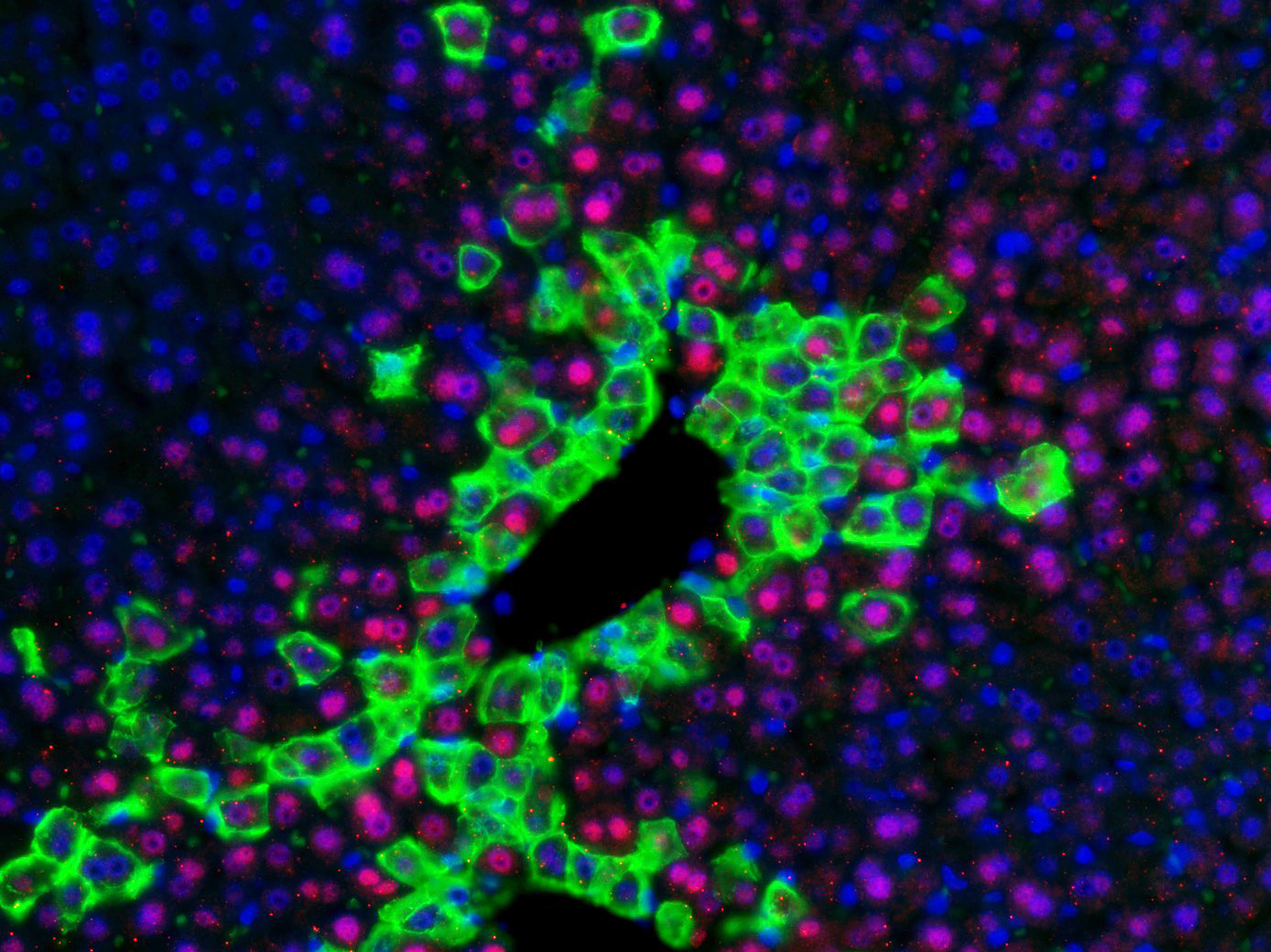
Niche Signals in Tissue Regeneration
Niche signals, a variety of molecular cues provided by the microenvironment, are fundamental in regulating stem cell behavior, tissue homeostasis, and regeneration. These signals ensure that stem cells receive the appropriate instructions to proliferate, differentiate, or remain quiescent, depending on the physiological needs of the tissue.

The Role of Polyploidy in Liver Regeneration
Polyploidy, a condition where cells contain more than two sets of chromosomes, is a characteristic feature of hepatocytes, the primary cells of the liver. This unique aspect of the liver is linked to its regenerative abilities, though during disease states, polyploid hepatocytes may lose their proliferative capacity.
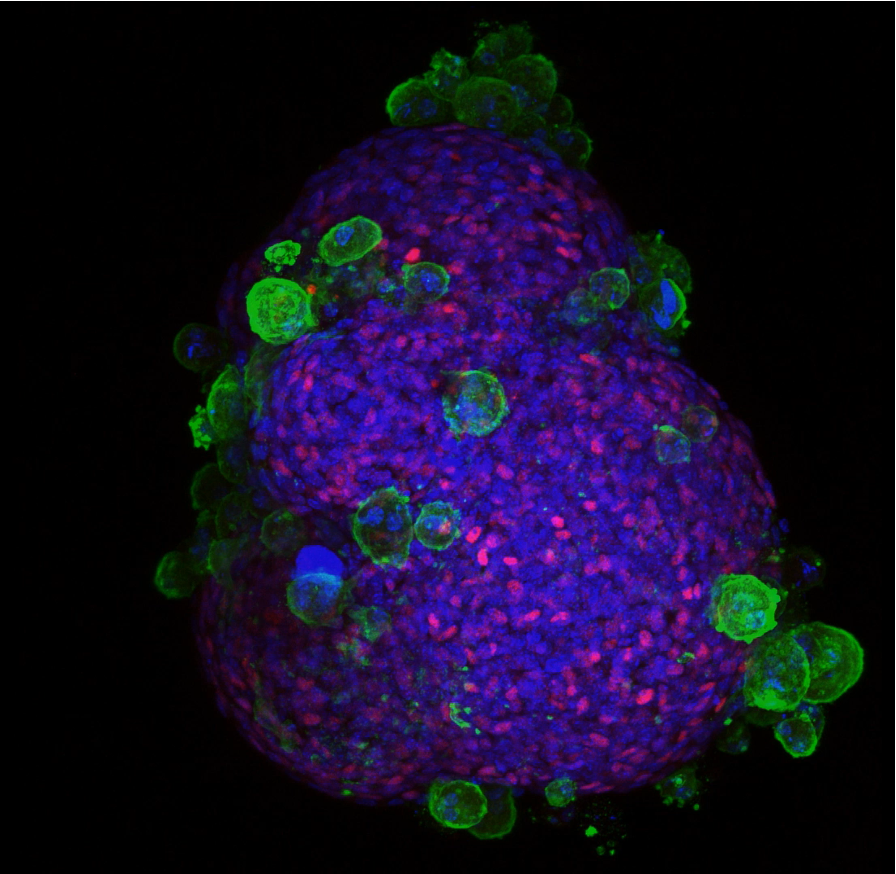
Primary Liver Organoid Research
We are establishing multicellular primary liver organoids that recapitulate the key structural and functional features of the native liver, including hepatocyte–non-parenchymal cell interactions and metabolic zonation. These organoids provide a physiologically relevant system to study liver development, regeneration, and disease mechanisms, offering insights into how distinct liver cell types coordinate metabolism, tissue remodeling, and repair.





 京公网安备11010802045369号